

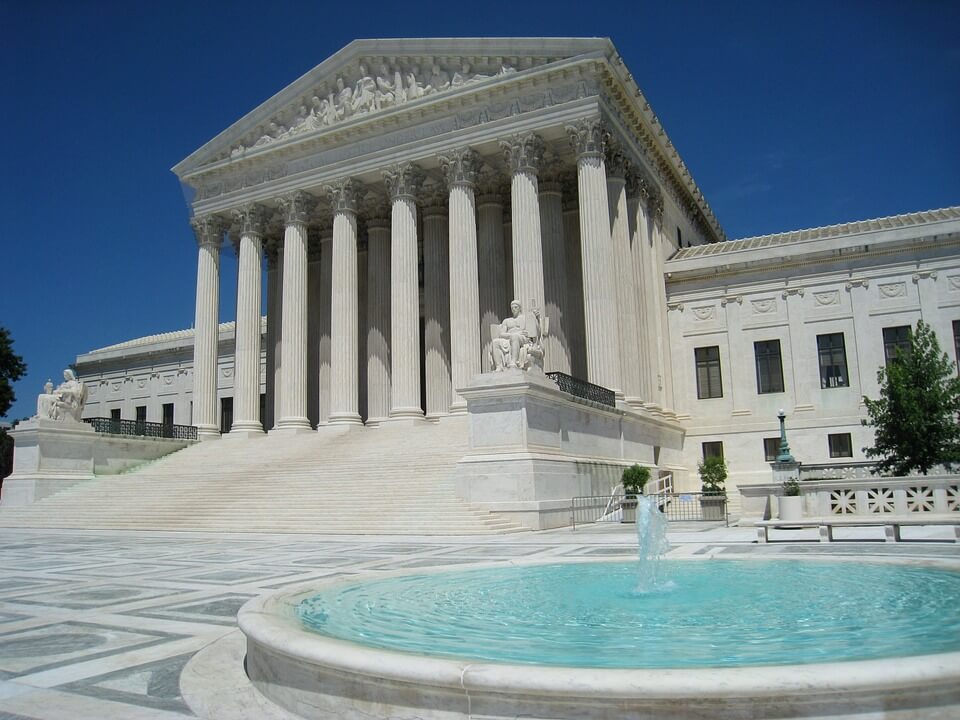
Federal Court Rule Changes Affect Litigants Beginning December 1, 2018
The U.S. Supreme Court approved changes to four of the Federal Rules of Civil Procedure: Rule 5, Rule 23, Rule 62, and Rule 65.1. These rule changes apply to pending and future cases in federal courts. Learn what each amendment entails, the reasons for the amendment, and how these federal court rule changes affect litigants.

Crystalline Silica and Construction—Are You OSHA Compliant?
After 45 years without a change, the Occupational Safety and Health Administration (OSHA) recently issued a standard lowering the acceptable exposure levels for crystalline silica and construction and placing new burdens on the construction industry. Compliance with the new silica standard is multi-faceted and necessary to help businesses meet OSHA's requirements as well as respond to any allegations of failure to comply.

The West Virginia Opioid Reduction Act and Workers’ Compensation
In the spring 2018 session of the West Virginia Legislature, the West Virginia Opioid Reduction Act was passed. The law went into effect on June 7, 2018. The Act is not a workers' compensation statute, per se, meaning that it does not state that it applies to workers' compensation, but it does not expressly exempt workers' compensation from its coverage either.

WV Gun Laws for Businesses: The Impacts of HB 4187
Significant changes were made to WV gun laws for businesses in the 2018 legislative session. House Bill 4187, an amendment to West Virginia Code §61-7-14, created the Business Liability Protection Act. The Act effectively bans businesses from restricting the rights of individuals to stow a firearm in a personal vehicle on employer property under certain circumstances.

The WV Workers’ Compensation Fee Schedule and Provider Agreements
In an effort to contain medical charges for workers' compensation claims, West Virginia (WV) imposes a fee schedule for medical service providers. The WV workers' compensation fee schedule for medical reimbursements specifies the maximum amount that can be charged by a provider for a specific service.